Your Custom Text Here
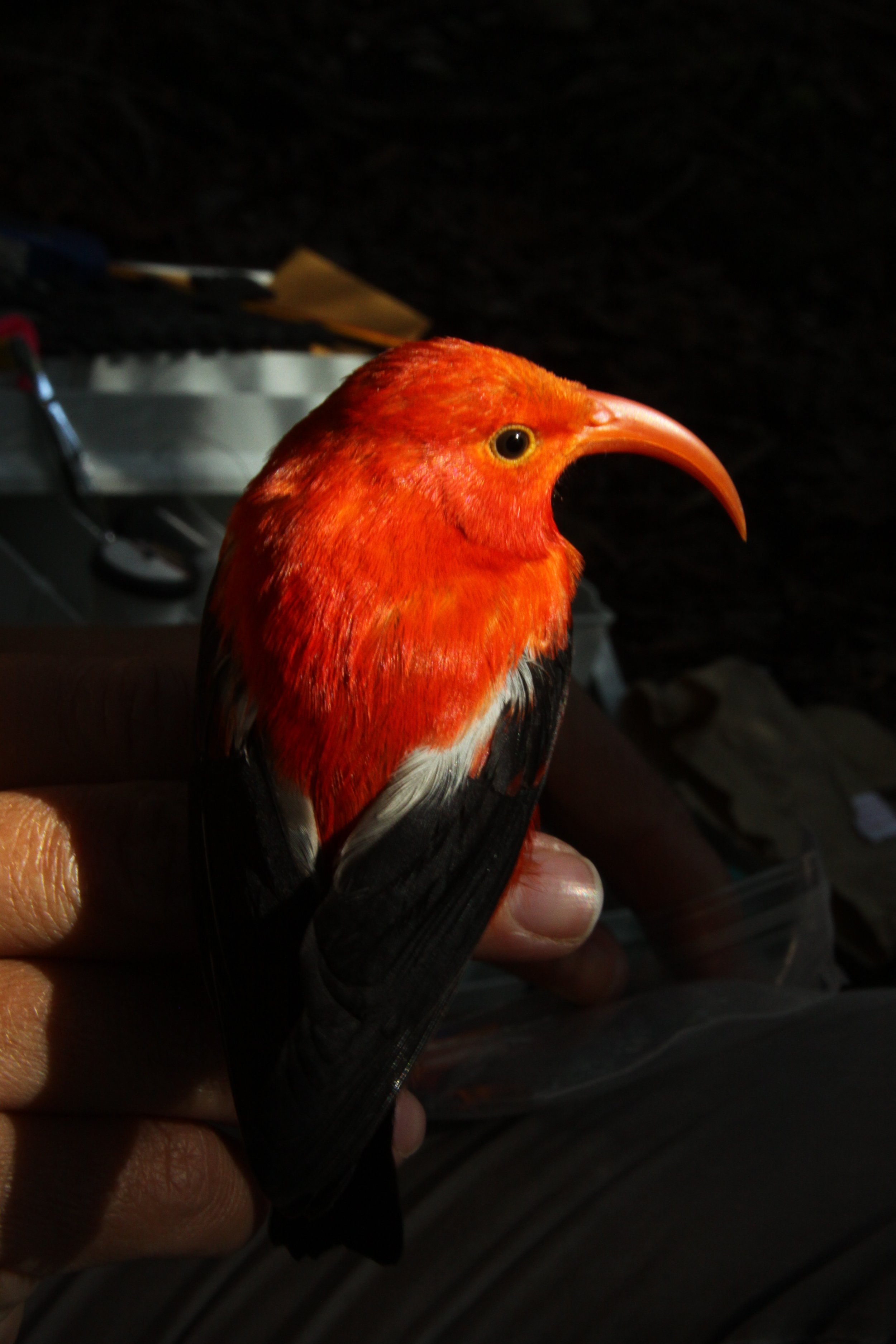
When Mauna Loa erupted in 1855, it enveloped native forests on the island of Hawaii in a layer of basaltic lava flow. The magma eventually cooled, sparing a mosaic of scattered forests known as kīpukas that today are home to a unique set of forest songbirds. Hawaiian honeycreepers are adapted to the most unforgiving of ecosystems, surviving at high elevations where mosquitoes can’t go and equipped with curved bills perfectly suited to forage on the native flowers.
READ MORE IN THE NEW YORK TIMES
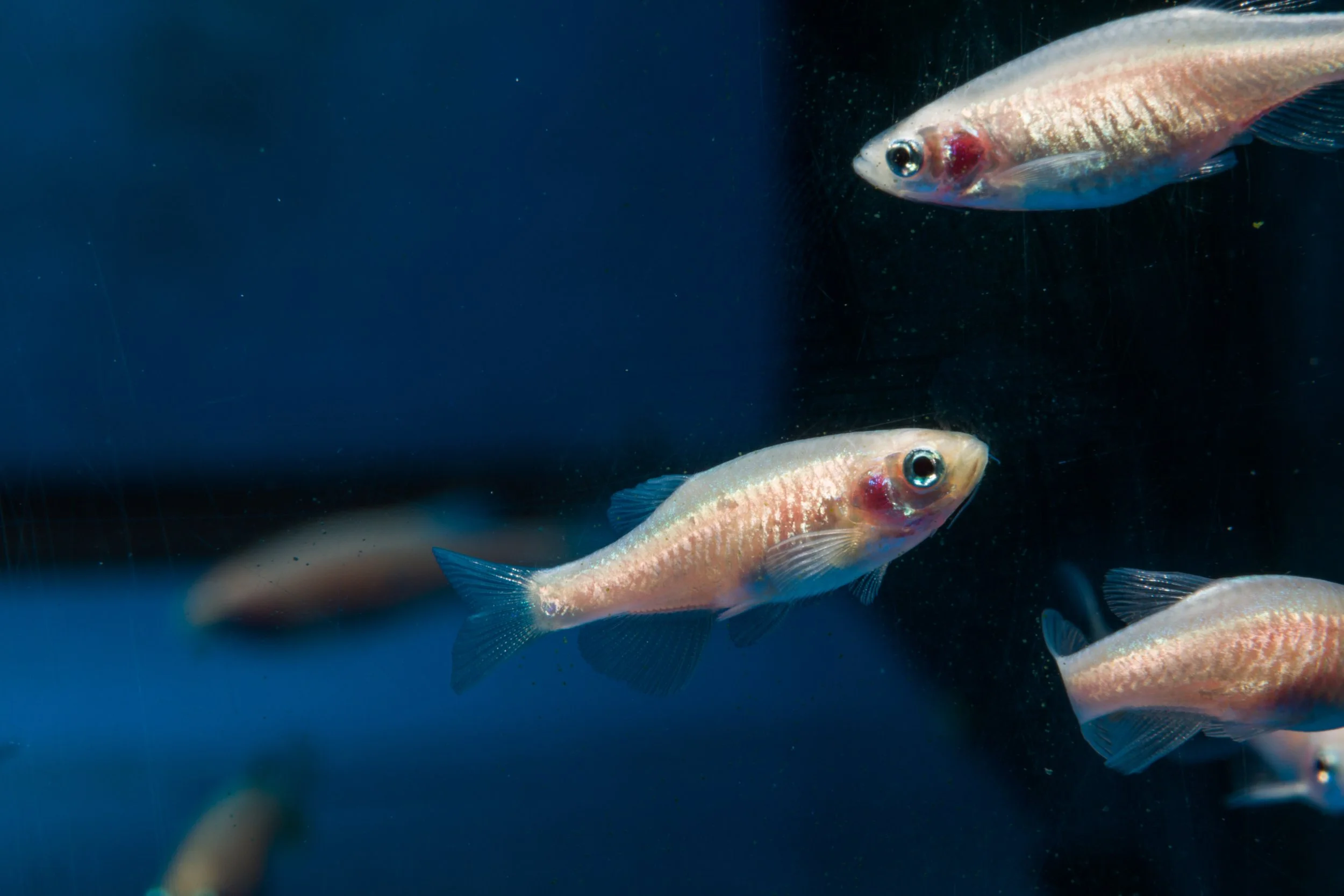
Whether tucked away in a colony of coral, hidden in the darkness of an aquatic cave or floating catatonic just above the ocean floor, fish take opportunities for rest and recovery, just as we do.
READ MORE IN THE NEW YORK TIMES
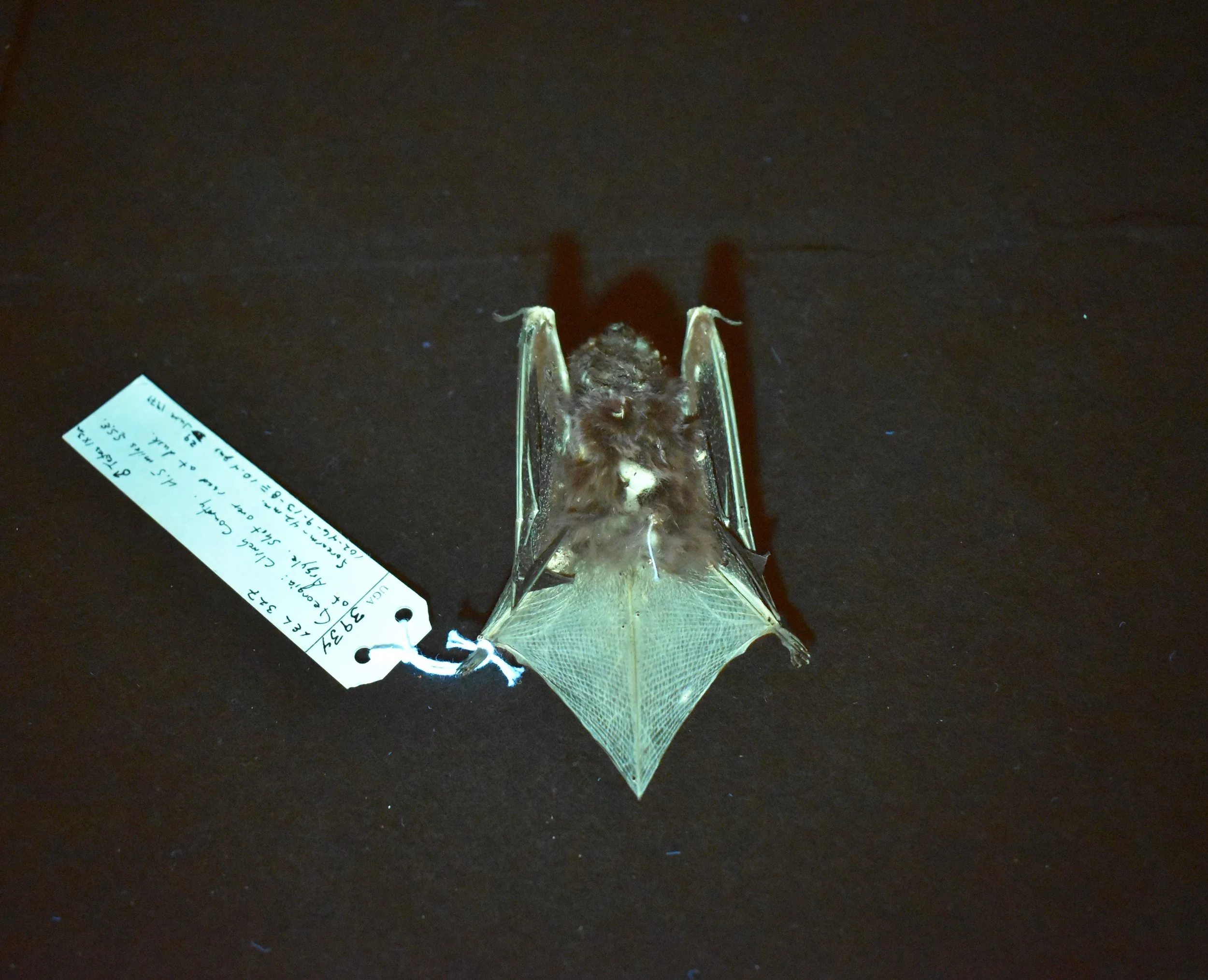
The reason that some animals glow like the black light posters in your teenage bedroom has long been a puzzle. It’s especially a mystery for bats, whose dark skin and fur help some species vacuum up insect prey in the inky blackness of night.
READ MORE IN THE NEW YORK TIMES
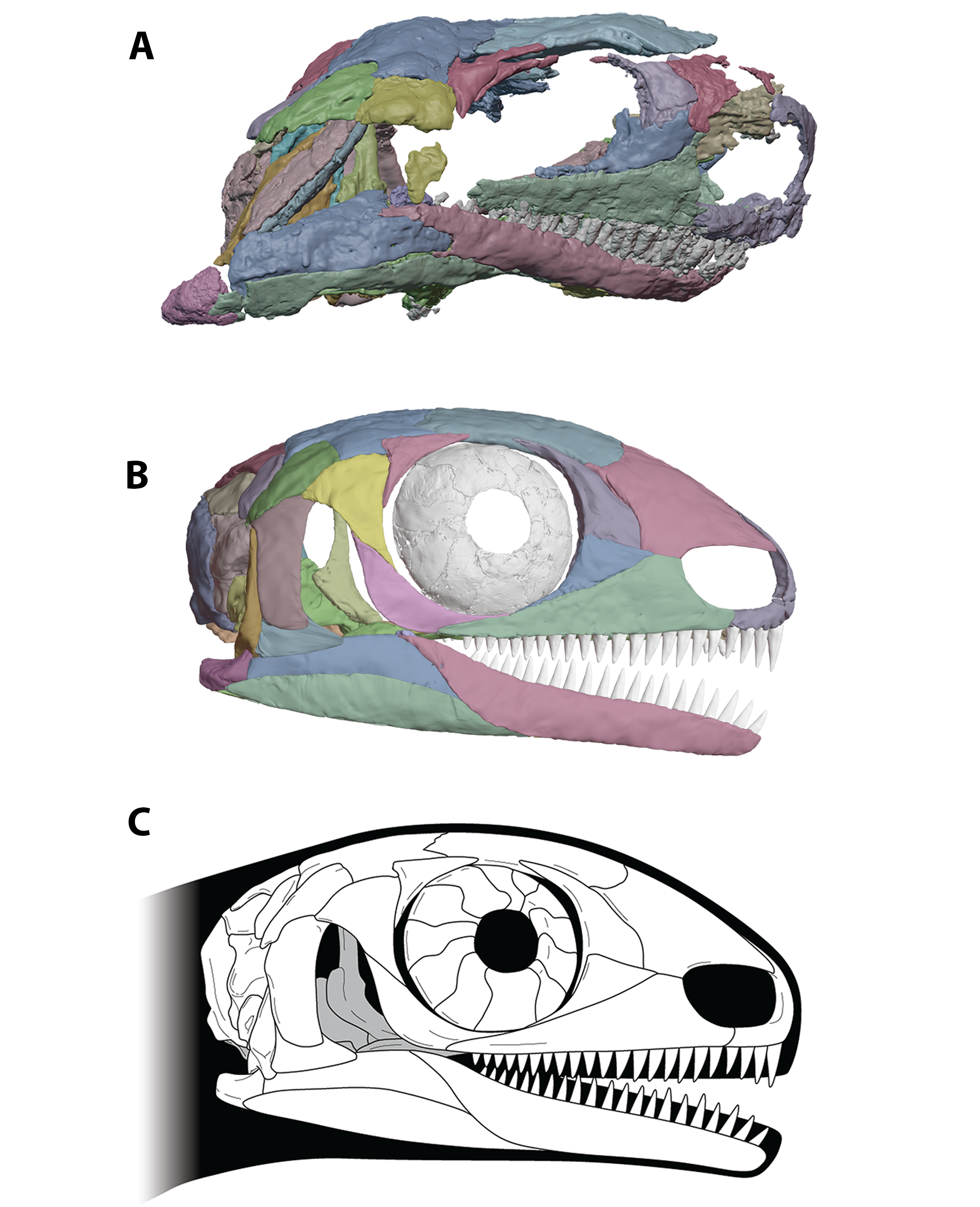
Turtles are weird. They move around in their own armored sanctuary, have adapted to living on land and in water and are among the longest-living animals on the planet. Their anatomy is so unusual that it’s difficult to pinpoint where they belong on the tree of life. Where do they come from? Who, scientists would love to know, is their common ancestor?
READ MORE IN THE NEW YORK TIMES
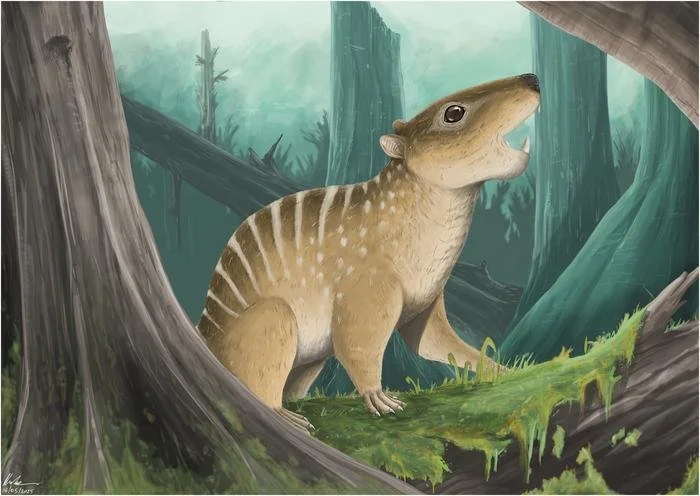

Around 145 million years ago, the beach in what is today Dorset, England, was covered in a freshwater lagoon. It was teeming with dinosaurs, pterosaurs, crocodiles and turtles. Making its way among all these beasts was a small puff of fur with excruciatingly sharp teeth.
READ MORE IN THE NEW YORK TIMES
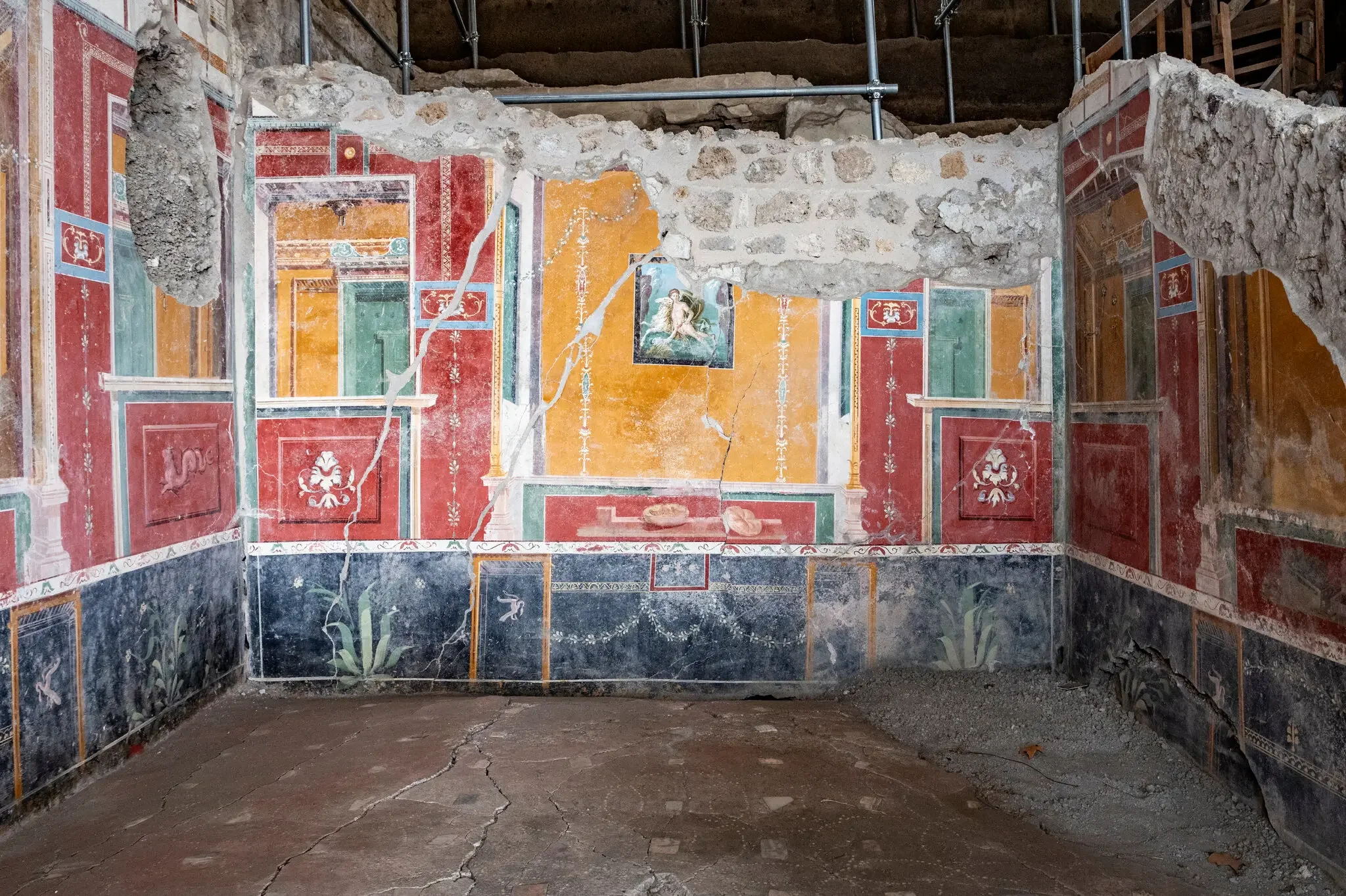
One day in the year 79, Pompeii came under fire. The explosion of nearby Mount Vesuvius sent a mushroom cloud of ash and rock into the atmosphere, pummeling the ancient Roman trading hub and resort in a ceaseless hail of tiny volcanic rocks. Many residents ran for their lives, trying to find safety with their loved ones before searing volcanic debris buried the estimated 1,500 residents who remained in Pompeii.
READ MORE IN THE NEW YORK TIMES
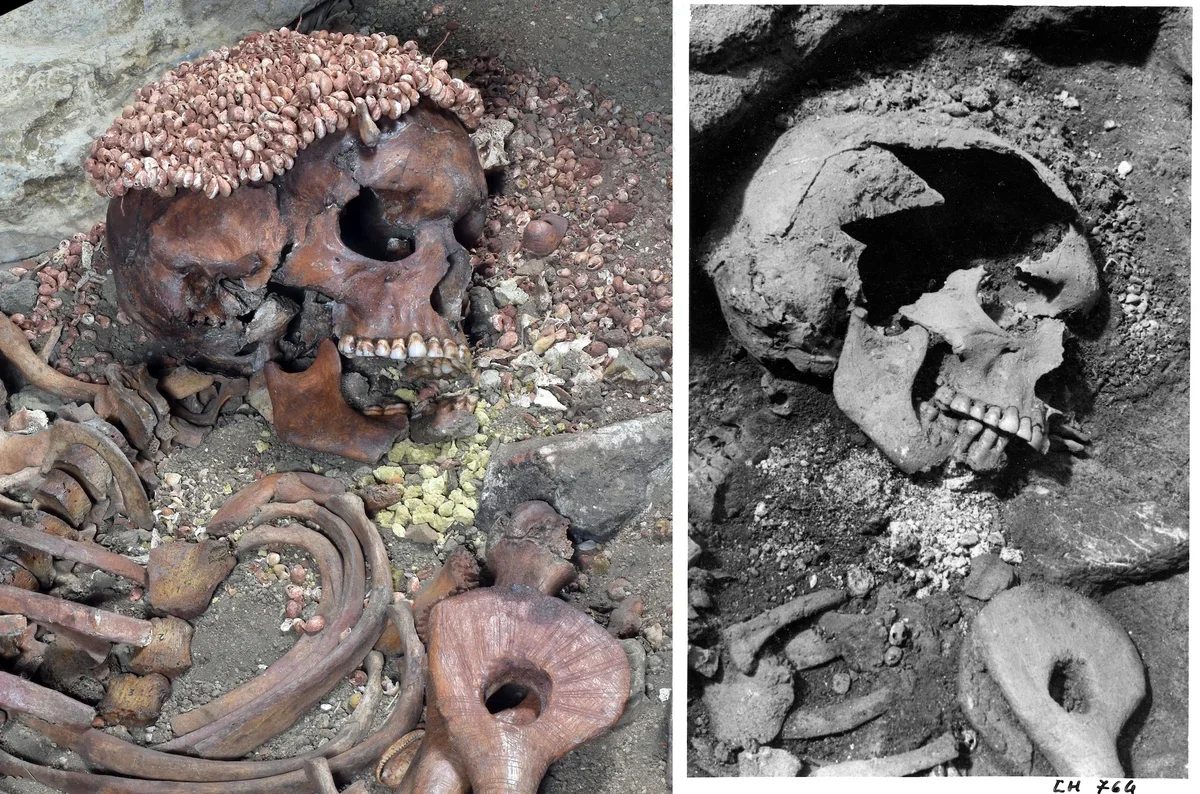
Early humans were avid, proficient hunters, but they could also become the hunted, living as they did among behemoth megafauna such as leopards, cave bears and saber-toothed tigers. We have little physical evidence of these interactions turning violent, however, because burials were rare and carnivores were more likely to finish off their prey. That’s why the embellished burial site of a 15-year-old from 27,000 years ago is an important window into the past: the teenager’s bones indicate he was mauled by a bear. The finding represents some of the first evidence of its kind.
READ MORE IN SCIENTIFIC AMERICAN
In Hawaii, researchers are literally paving the roads with good intentions. They have come up with an innovative method for putting the island’s plastic pollution to work, covering its roads with asphalt mixed with plastic waste and old fishing nets.
While plastic paving initiatives are happening in places like Missouri and Texas, the project in Hawaii is the first to use marine debris. It is designed to solve the islands’ unique exposure to discarded fishing gear, tourist waste and the Great Pacific Garbage Patch, which engulfs the island chain every few years. To date, 90 metric tons of plastic trash have been removed from the Pacific Ocean, and more than a metric ton of fishing nets alone have been paved into Hawaiian roads.
READ MORE IN SCIENCE NEWS



We know now that glucagon-like peptide 1 (GLP-1) drugs for obesity bring with them a whole host of other potential benefits, as well as a handful of side effects. But new research has brought a sharper focus on both the pros and the cons of these medications, and with that comes new challenges and opportunities for physicians to consider when prescribing them.
READ MORE IN MEDSCAPE
Madison Burgess decided to get serious about weight loss when the scale hit 91 kilograms (200 pounds). She began taking Ozempic. The medication worked better than she ever thought possible: even on the low starter dose, she lost more than 2 kg (5 lbs) within the first week.
Problems began, however, when Burgess, a 25-year-old healthcare administrator from Bloomfield, Michigan, ramped up her intake, as per the manufacturer’s guidelines. “The higher doses were rough on me,” she says. The constipation, nausea, diarrhoea and acid reflux hit hard and made eating difficult. That’s when she decided to drop back down to a lower dose and determine whether she could continue seeing benefits.
READ MORE IN NEW SCIENTIST
Glucagon-like peptide-1 (GLP-1) agonists are powerful weight loss medications that can help you lose 10 to 20 percent of your body weight. They can also help regulate blood sugars in those with diabetes as well as improve health outcomes for cardiovascular patients.
But the medications are also pricey, and many people may not want to take them indefinitely. So, what happens when you stop? Can you still enjoy the benefits of the medications?
READ MORE IN DISCOVER MAGAZINE
Clinical evidence has long suggested that the use of GLP-1 medications is linked to lower substance use. It’s also been speculated among patients taking the medications. Social drinkers, for example, contend that they no longer have the urge to order that glass of wine when they’re out with friends and smokers are finally able to stop.
Now a larger body of research shows what physicians and their patients have long noticed: Taking GLP-1 medications seems to significantly prevent and reduce addiction and substance use disorders. In a study published recently in The BMJ, researchers followed about 600,000 veterans with type 2 diabetes and found that GLP-1s prevented and treated substance use disorders when taken over a 3-year period.
READ MORE IN MEDSCAPE